Practitioner List

DSCF3225Where do you begin in choosing a way? Who to be your instrument for change? Here’s Dylana Accolla’s advice in “Back to Balance: A Holistic Self-Help Guide to Eastern Remedies,” summarized:

Checklist for Finding a Really Good Practitioner
1. What are the practitioner’s credentials?
2. What is the practitioner’s reputation?
3. How experienced is the practitioner?
4. How’s the rapport?
5. Have you discussed the costs and estimated length of treatment?
6. Does the practitioner seem healthy?
7. Have you discussed your expectations of treatment?
8. Does the practitioner include you as part of the healing team?
9. If the therapy seems not to be working, does your practitioner recommend an alternative type of treatment?
10. Does this practitioner respect your personal space and maintain his/her/their own integrity?
Garden List

doitafraid.tuihealthcaregardenstart.tuihealthcare


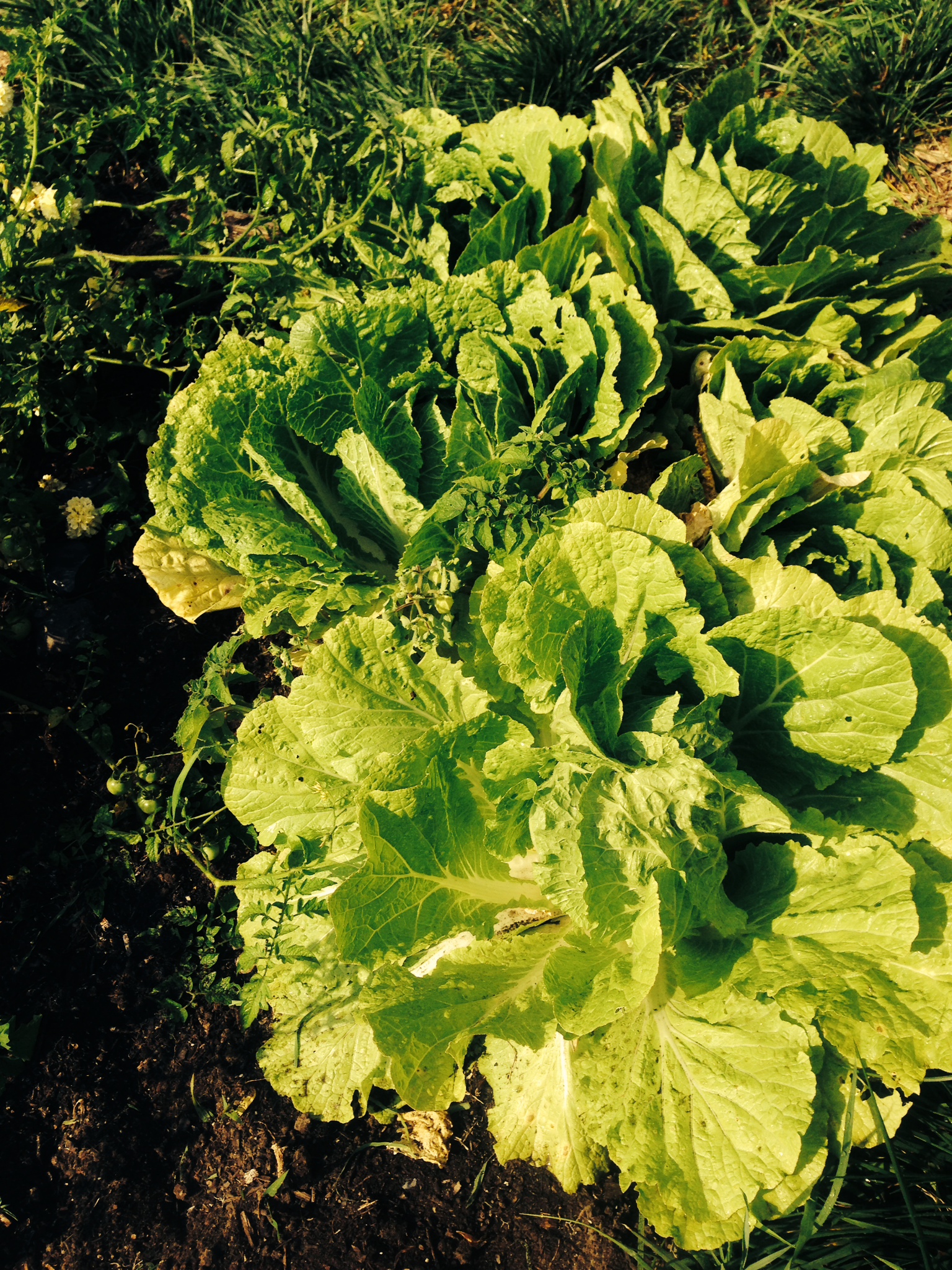
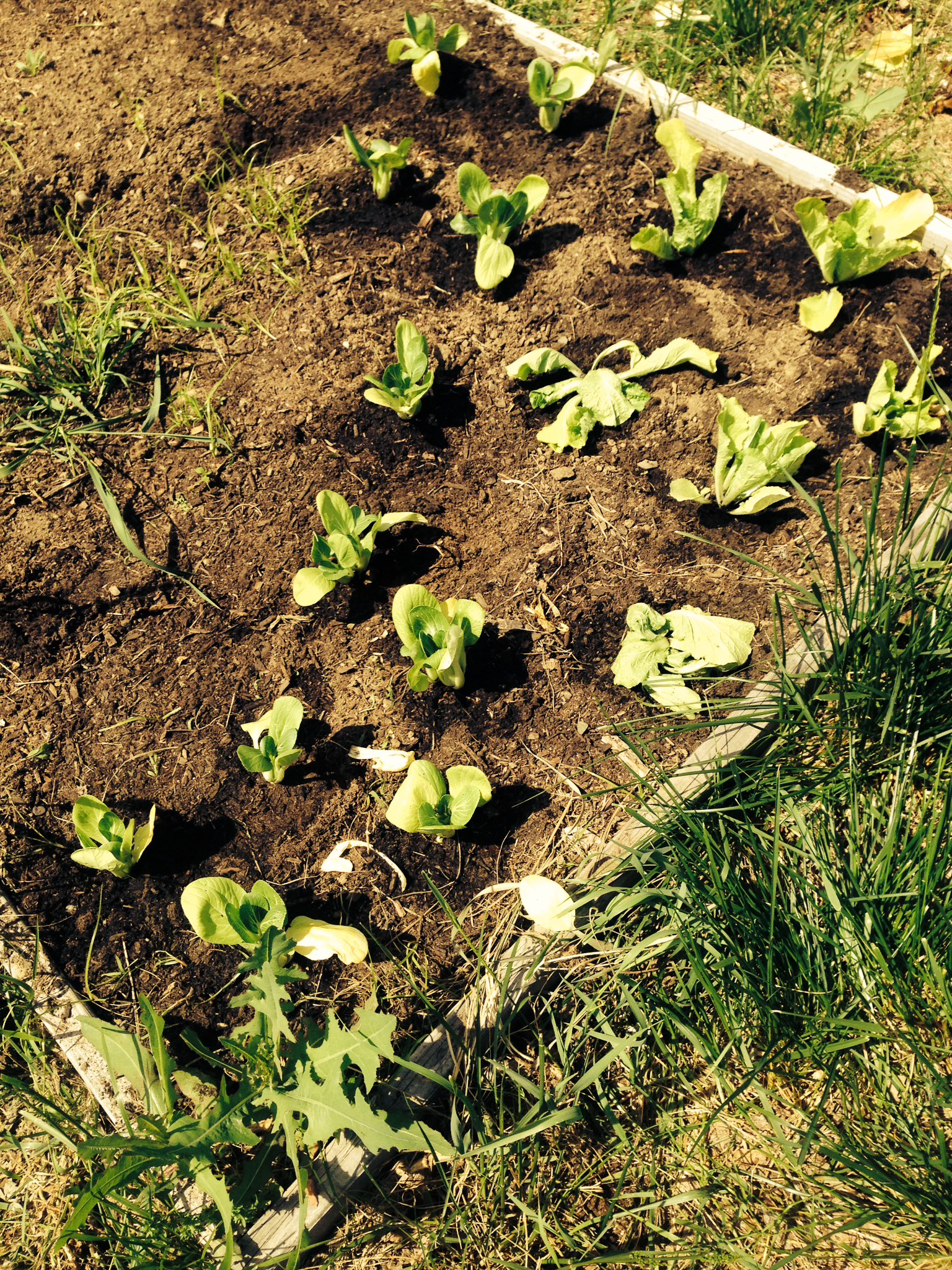
Lessons from the YMCA Community Garden Plot:

1. Do it afraid.
2. Build with fruition in mind.
3. Extra care in the beginning goes a long way.
4. Community is important.
5. Reap what you sow.

Fifty Four

fifty.four.tuihealthcare.cmwWhat is firmly established cannot be uprooted.
What is firmly grasped cannot slip away.
It will be honored from generation to generation.

Cultivate Virtue in your self,
And Virtue will be real.
Cultivate it in the family,
And Virtue will abound.
Cultivate it in the village,
And Virtue will grow.
Cultivate it in the nation,
And Virtue will be abundant.
Cultivate it in the universe,
And Virtue will be everywhere.

Therefore look at the body as body;
Look at the family as family;
Look at the village as village;
Look at the nation as nation;
Look at the universe as universe.

How do I know the universe is like this?
By looking!

– Lao Tsu, Tao Te Ching

Returns

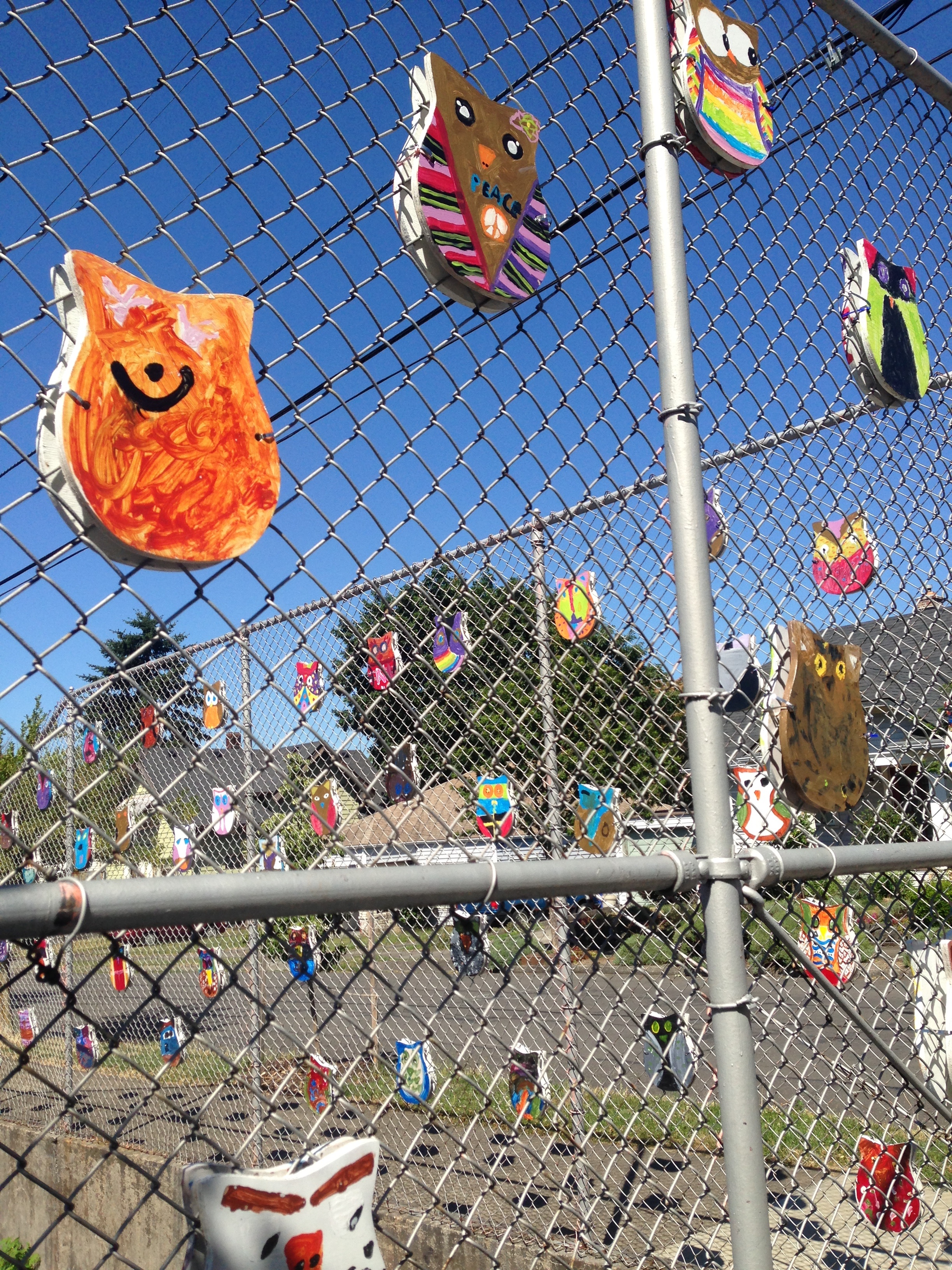
portlandowls.tuihealthcareWest Coast time is still in me, and I went out to do The Big Dipper QiGong under a midnight cloudy East Coast sky. When teaching QiGong I advise people to practice right away, that the most important day is the day after instruction with the teacher. And so it is.

I’ve returned from Portland, Oregon and nearly a week of QiGong with The Ling Gui International Healing QiGong School. The experience continues to be inspiring, cleansing, and transformational.

As an acupuncturist, I work with Qi and practicing QiGong is foundational to the healthcare I offer to others. As a human, QiGong is foundational to my be-ing. I am so grateful to have connected with the deeply nourishing resources that Dr. Liu Dong and Master Liu He share. I endeavor to share what I can with my community.

First I must practice. Let time, willingness, observation, and surrender create my days of exploration and steady my dedication. Listen, change,

return to the inner source.


Value

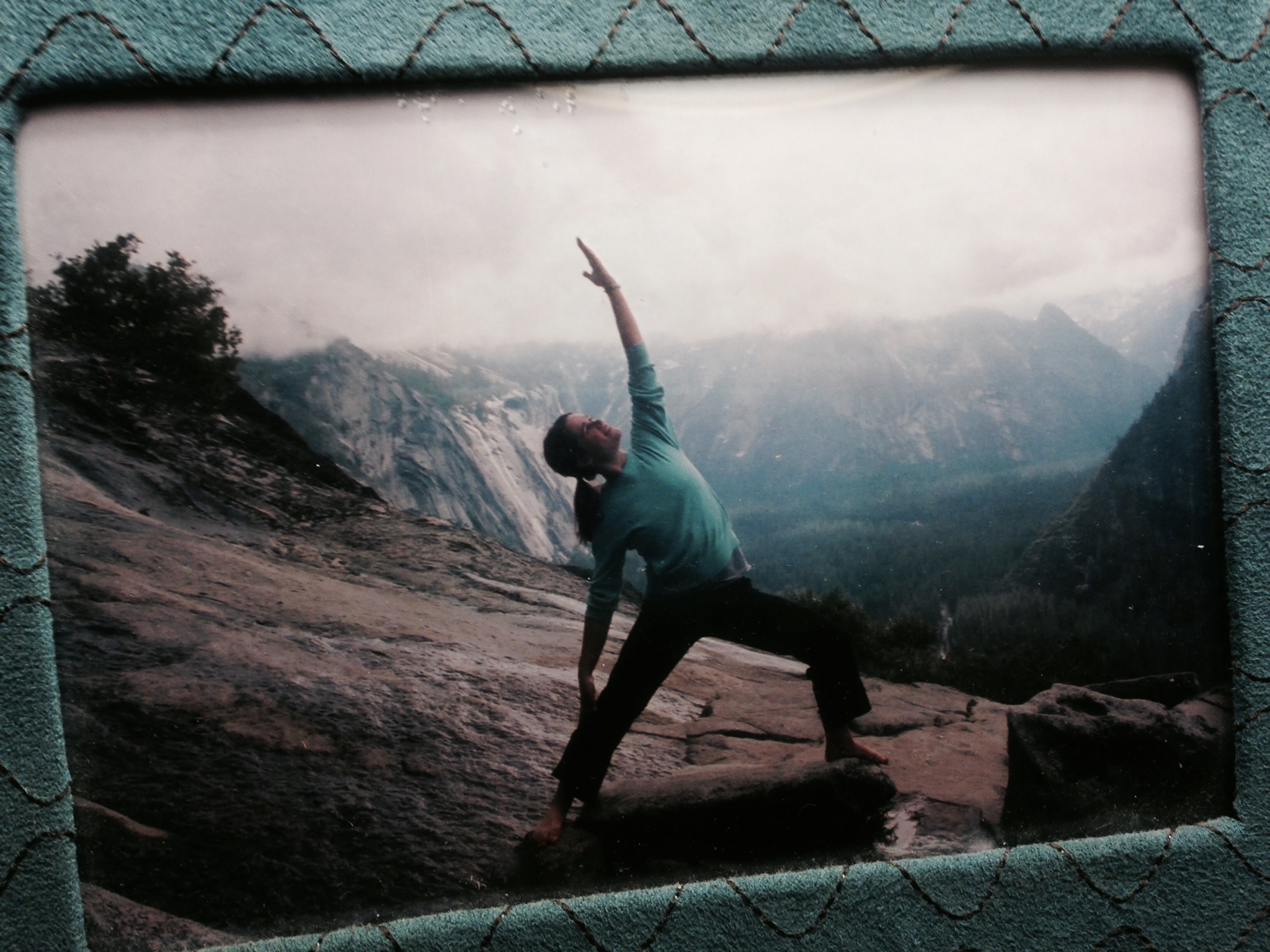
tuihealthcare.yogaI love “Yoga For Wellness” by Gary Kraftsow, for many reasons and especially when I read things like this:

“The form-function problem, on the other hand, concerns the relationship between the classical form of a posture and its actual functional value. While it is true that the forms of the classical postures reveal a systematic record of the structural potential of the human body, achieving one of these forms does not necessarily indicate that we have achieved its function. The true value of these postures lies in their functional benefit to our own body, not in the objective character of their classical forms. Therefore, rather that focusing on the achievement of objective standards, we should focus on what is actually happening in our body as we practice. The classical postures should be used initially as mirrors to help us discover something about that actual condition. Then the information gained from this observation should be used to help us determine the direction of our practice.

Setting appropriate goals for our practice involves the ability to recognize change. Because our condition is always changing, we must continually redefine and renew our practice.”